
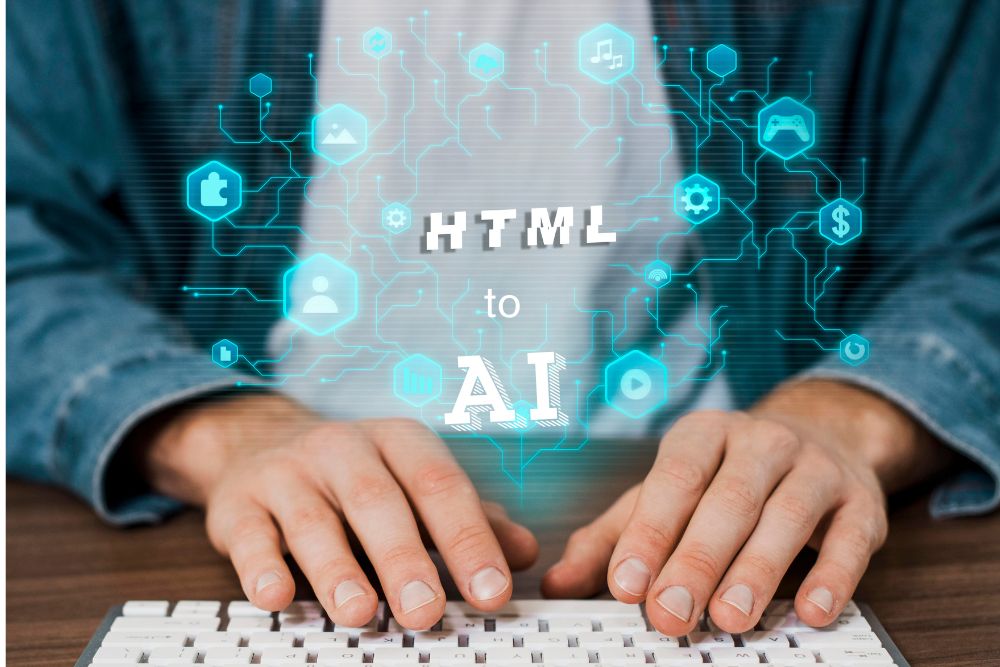
Few roles have transformed as extremely as that of the full stack developer. From the humble beginnings of the web with HTML to the sophisticated integration of Artificial Intelligence (AI) in today’s applications, the journey has been complex and fascinating. As a professional navigating this dynamic environment, you are tasked with dominating a complete set of skills and tools. This article describes the evolution from simple web pages to complex AI-driven applications, emphasizing the key role you, as a full stack developer, play in this digital phase.
The Growth of Web Development
Web development is no longer confined to simple websites designed by front-end developers using just HTML. Full-stack developers capable of handling both front-end and back-end responsibilities, driving innovation across industries. As the demand for more functional, interactive, and intelligent web solutions increases, understanding the evolutionary path from basic HTML to advanced AI integration is essential.
The Emergence of Full Stack Development
The role of the full stack developer appeared as web applications became more complex. Initially, web development was divided into distinct front-end and back-end roles. The front-end developer used HTML, CSS, and JavaScript to create the visual aspects of a website, while back-end developers focused on server-side functionality using languages like PHP, Ruby, or Python. As the web’s complexity grew, so did the need for developers who could smoothly integrate both ends of the spectrum. Enter the full stack developer. Characterized by their versatility and ability to manage entire projects from creativity to deployment, full stack developers bridge the gap between user experience design and server-side operations.
Today, as a full stack developer, you are expected to be experienced in both front-end and back-end technologies, understanding databases, server management, and client interfaces. This holistic approach allows you to deliver consistent and efficient web applications that meet user needs and business objectives.
The Core Skills of a Full Stack Developer
To succeed as a full stack developer, you must cultivate a diverse skill set. The breadth of knowledge required is vast, yet each component plays an essential role in the development process. Here are some core skills you should master:
- HTML/CSS: Fundamental languages for structuring and styling web pages, enabling you to create visually appealing frontend designs.
- JavaScript: A powerful language that allows for dynamic and interactive web applications, essential for both client-side and server-side programming.
- Server-Side Languages: Understanding languages such as Node.js, Python, Ruby, or PHP to build robust server infrastructure.
- Databases: Proficiency in database management systems like MySQL, MongoDB, or PostgreSQL to store and retrieve data efficiently.
- Version Control: Using Git or similar tools to manage code changes and collaborate with other developers.
- Responsive Design: Ensuring web applications are accessible and function correctly on a variety of devices and screen sizes.
Beyond technical skills, soft skills such as problem-solving, communication, and project management are required. These competencies enable you to effectively coordinate with teams and clients, ensuring that projects align with user expectations and are delivered on time.
Transitioning from Front-End to Full Stack
If you are currently a front-end developer, the transition to full stack development can significantly enhance your career. This transformation requires expanding your focus beyond the client-facing interfaces to understanding the entire application architecture. Here’s how you can make this transition: Start by enhancing your back-end skills. Learn server-side programming languages and begin familiarizing yourself with database management. Create small projects that integrate front-end and back-end technologies to harden your understanding.
Engage with the developer community through forums and by contributing to open-source projects. This can provide you with insights and real-world experience that are invaluable when transitioning to full stack development. Finally, remain adaptable and continuously update your skills. The tech field is constantly changing, and staying present with new tools and technologies is essential to your success as a full stack developer.
The Impact of AI on Web Development
The integration of AI into web development is reshaping the industry. For you as a full stack developer, this means adopting AI-driven tools and technologies that enhance the functionality and interactivity of web applications.
AI can automate repetitive tasks, improve user interaction through chatbots, and provide personalized content suggestions. It can analyze extensive amounts of data to make predictive models that inform business decisions. By utilizing machine learning libraries like TensorFlow.js or AI-as-a-Service platforms, you can create smarter applications that respond to user needs more intuitively. This transformation extends to natural language processing, image recognition, and more advanced data analytics. Integrating AI requires you to acquire new skills, but it also offers an opportunity to innovate and push the boundaries of web development.
The Future of Full Stack Development
The evolution of full stack development is balanced to continue as technologies advance and market demands change. The future will likely see even greater integration of AI, making it compulsory for you to adapt and anticipate changes. Developing specialization within full stack roles might become more prevalent, with professionals focusing on specific areas like AI integration or advanced cybersecurity measures. The rise of low-code and no-code platforms may influence traditional coding practices, challenging developers to redefine their roles.
To update in this field means embracing continuous learning and being open to new methodologies and tools. By keeping up with innovations, you can ensure your skills remain relevant and your projects successful.
From the beginning of HTML to AI’s role in modern web development, the transformation of full stack development is proof of the innovation and adaptability required in the tech industry. As you navigate this evolving field, harnessing a diverse skill set and adopting technological advances will be important. By understanding the past, you can better anticipate the future, positioning yourself as a leader in creating intelligent, scalable, and impactful web applications. The journey from HTML to AI is not just a professional challenge but an exciting opportunity to shape the future of how the web interacts with its users.